
Deferred revenue that doesn't tie
Balances live in spreadsheets, and revenue follows billing instead of performance. The waterfall and the contract file tell two different stories.
ŌSensei (formerly Sensei FinanceOS) · SaaS
Revenue you can prove, MRR that ties, and investor reporting by a fixed workday. The SaaS build runs revenue recognition under ASC 606, the deferred revenue waterfall, and the MRR bridge — gated, so the close is done when the checks pass, not when the calendar runs out.
The close runs on a Finance Operating System I designed and built — an agent-led close, with the major workflows run by an agent I direct and review.
These checks are from internal pilot builds, backtested on worked sample closes. They are not client results, and no client data was used.
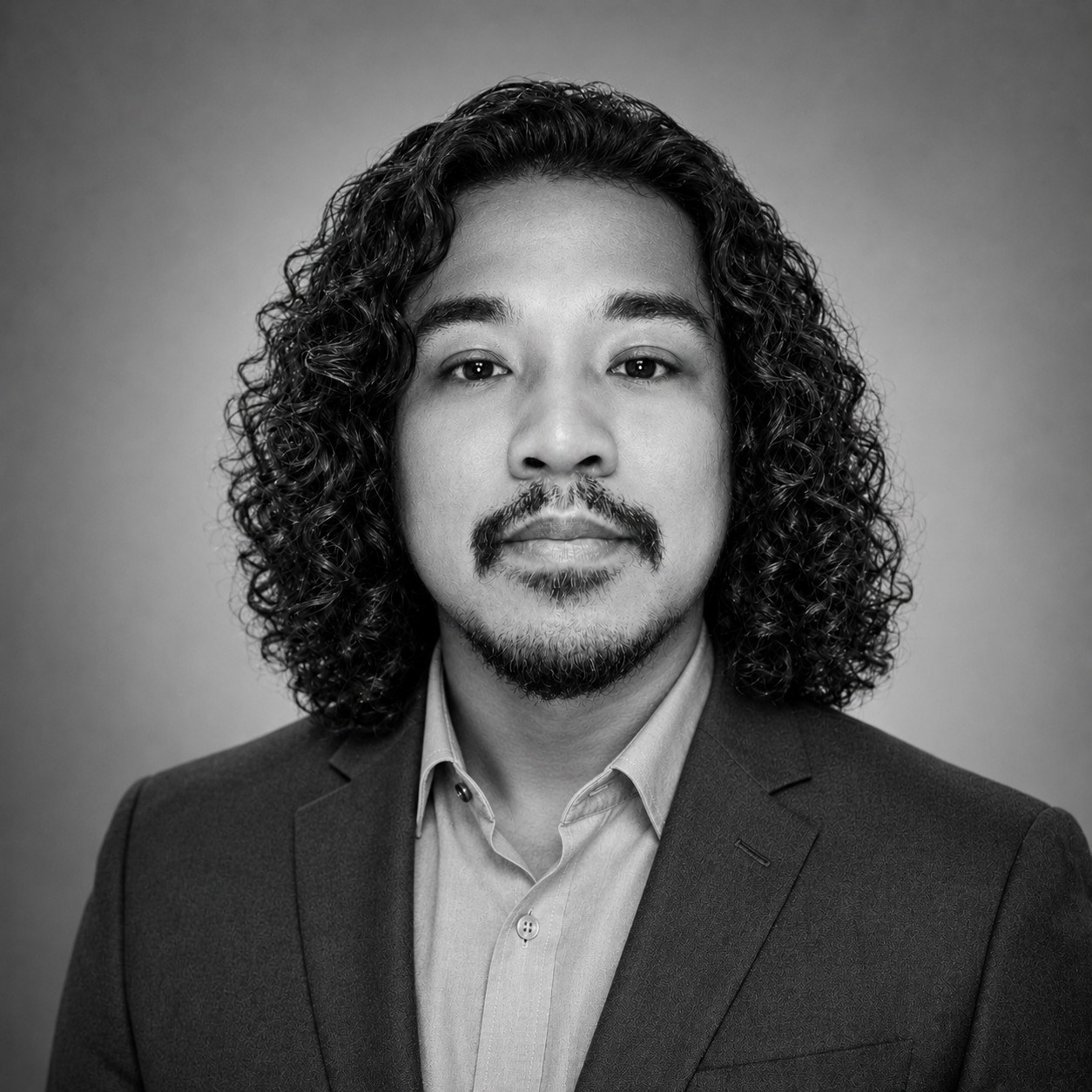
Founder, Sensei Advisors
Founder | Financial Systems Architect
Fractional CFO / Controller · ŌSensei
The problem
Subscription revenue looks simple from the outside. Inside the ledger, it breaks in predictable places — and each one surfaces at the worst time: a board meeting, a fundraise, a diligence request.
Balances live in spreadsheets, and revenue follows billing instead of performance. The waterfall and the contract file tell two different stories.
New, expansion, contraction, and churn blend into one number that changes every time someone rebuilds it. Nobody can say why it moved.
Terms agreed in email never reach the contract file — and quietly change what the revenue should be. A control gap and a fraud risk in one.
Subscriptions, proration, failed payments, and dunning run in the billing system. The ledger gets a summary — and the differences accumulate.
Sales commissions and internal-use software are capitalized, expensed, or forgotten depending on the month — ASC 340-40 and ASC 350-40 applied by mood.
Every month, someone assembles the investor pack from the general ledger again. Runway and KPIs are a project, not an output.
The system
ŌSensei for SaaS is a complete close system — revenue, billing, costs, and reporting — installed on your existing accounting system, whatever that system is.
Performance obligations identified per contract, recognition scheduled against delivery, and side letters captured as a control — so recognized revenue is revenue you can defend.
The waterfall rolls by customer and contract — billings, recognition, remaining balance — and completes at Gate G1, Workday +1.
New, expansion, contraction, and churn bridged every month to $0 unexplained at Gate G2 — with net revenue retention computed from the same numbers, not a second set.
Billing activity — subscriptions, proration, dunning, collections — reconciled to the ledger monthly, so the billing system and the books cannot drift apart.
Commissions under ASC 340-40 and internal-use software under ASC 350-40, capitalized and amortized on a stated policy — the same way every month.
Cash, runway, and the KPI pack produced from closed books at Gate G3 — decision-ready and investor-ready, because the statements already tie.
Audit-ready
Every ŌSensei build is built to US GAAP, with SEC-reporting discipline, SOX-ready controls, and a PCAOB layer — audit evidence and workpaper discipline built to PCAOB standards.
After the close gates pass, a separate Gate G4 — Audit-Ready — checks evidence, workpapers, and review. A failed G4 blocks the words “audit-ready,” not the statements.
International
ŌSensei is one build with modular activation. Each client picks a US track or an International track — the system underneath is the same. Every standard is anchored two ways: to the FASB Codification and to IFRS Accounting Standards as issued by the IASB. FASB- and IASB-friendly by design, so a diligence team reads the same file on either side of the Atlantic — no translation.
Each entity carries its statutory framework, the group reporting framework, and its presentation currency on one register. Nothing is forced into a single framework.
Local statutory close first. Then the framework bridge. Then group consolidation, then the investor pack. The bridge ties with $0 unexplained — or the close does not pass Gate G5.
SAFEs, convertibles, preferred shares, and warrants are analysed under both frameworks before signing — because the same instrument can be equity in one framework and a liability in the other.
Statutory calendars, indirect taxes, withholding, and R&D credit evidence are captured in registers, and local advisors file. ŌSensei never replaces the local statutory accountant.
5 vertical pilots482 pilot acceptance checks passedGate G5 Diligence-Ready — Pre-seed to Series C8 deliverables per vertical (IX-1 to IX-8)
In the SaaS pilot: an IFRS 16 lease bridge moved the UK subsidiary trial balance from £741,000 to £766,000, and the consolidated trial balance balanced at $8,340,940.
How it starts
Start with a short diagnostic. If ŌSensei is a fit, the scope, price, and outcome are fixed before we start. No hourly billing.
The SaaS system installed on your existing accounting system: reconciliations, schedules, review checkpoints, responsibility matrices, recurring workflows, gates, and reporting deadlines.
Sensei runs the close on the installed system. The major workflows are run by an agent I direct and review; judgment, exceptions, and sign-off stay with a person.
Fixed scope. Fixed price. Defined outcome. The price is fixed after a short diagnostic, before work starts — the same model on every engagement.
The full SaaS system and a one-page sample of the close are available on request.
Request a sampleFounder
The SaaS system was designed and built by a Controller with 20+ years in accounting and finance — public accounting at Grant Thornton, SEC reporting work at a public manufacturer, and a data-science layer on top.
Start with the accounting problem
Tell me what is happening in your accounting or finance operation. If ŌSensei is a fit, the scope, price, and outcome are fixed before we start. No hourly billing.
Prefer email? jomar@senseiadvisors.com
Or connect on LinkedIn.
Already a client? Sign in to your ŌSensei workspace.
Please do not send bank credentials, tax IDs, payroll data, or other sensitive financial information through this form.