
Trial accruals built on guesses
CRO and site costs are incurred but not invoiced. The accrual is the key estimate — and the first thing diligence attacks.
ŌSensei (formerly Sensei FinanceOS) · Biotech
Trial accruals you can defend, grant revenue that ties to allowable costs, and runway reporting by a fixed workday. The biotech build runs grant and collaboration revenue, the clinical trial accrual rollforward, and program economics — gated, so the close is done when the checks pass, not when the calendar runs out.
The close runs on a Finance Operating System I designed and built — an agent-led close, with the major workflows run by an agent I direct and review.
These checks are from internal pilot builds, backtested on worked sample closes. They are not client results, and no client data was used.
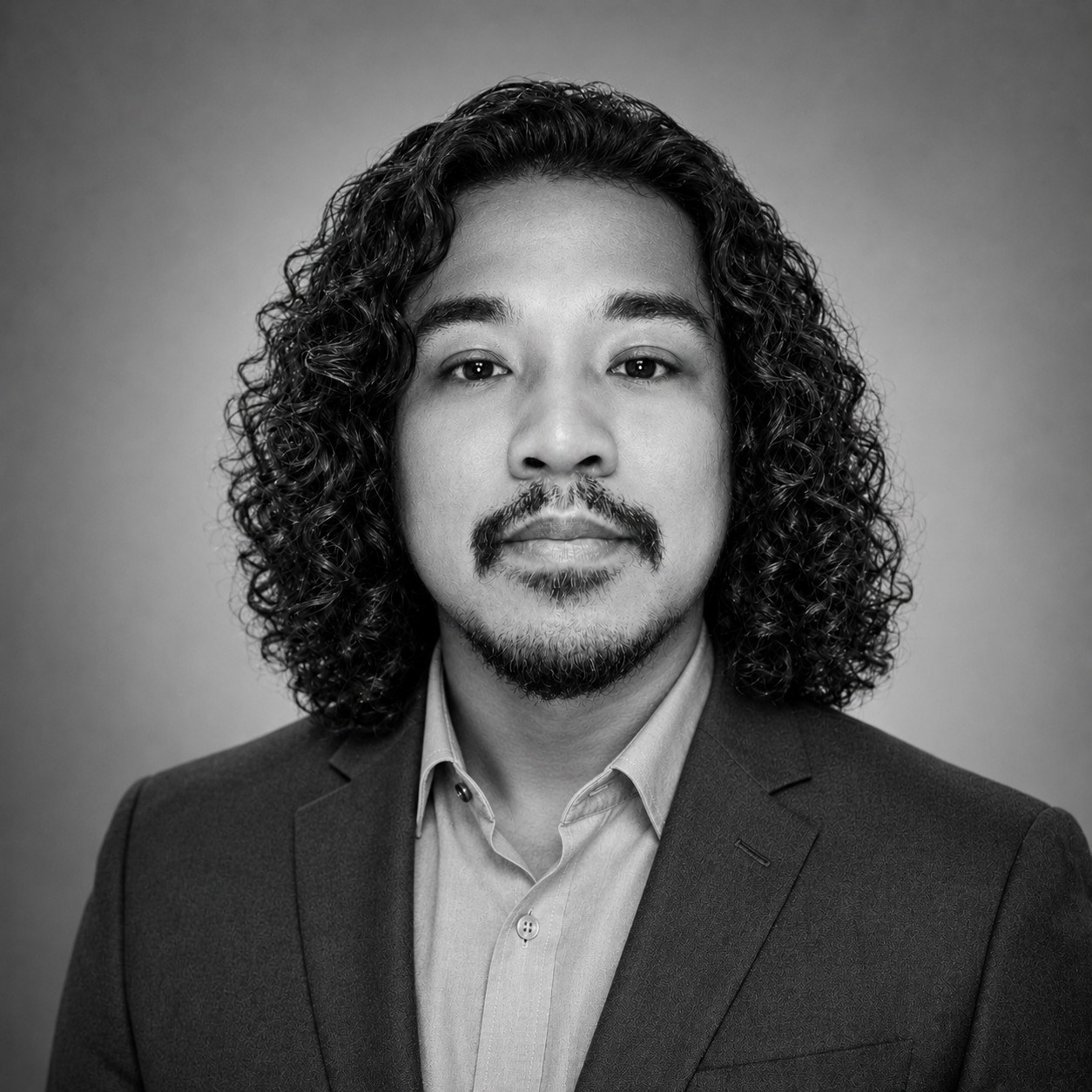
Founder, Sensei Advisors
Founder | Financial Systems Architect
Fractional CFO / Controller · ŌSensei
The problem
Clinical-stage accounting breaks in predictable places — and each one surfaces at the worst time: a board meeting, a fundraise, a diligence request.
CRO and site costs are incurred but not invoiced. The accrual is the key estimate — and the first thing diligence attacks.
Costs get charged to grants that shouldn't be. Deferred and receivable balances don't roll, and nobody can prove what the grant actually funded.
Program, platform, and G&A blur into one number. There are no program-level economics — just total spend.
Burn is computed differently every month. The board gets a new definition of runway at every meeting.
Milestone and deferred terms live in a spreadsheet, outside the ledger. The revenue follows the spreadsheet, not the agreement.
CRO and CMO prepaids are paid up front and consumed without a rollforward. The balance on the books is whatever is left over.
The system
ŌSensei for Biotech is a complete close system — grants, trial accruals, program economics, and reporting — installed on your existing accounting system, whatever that system is.
Deferred and receivable balances roll to $0 unexplained at Gate G1 — and allowability is checked as costs post, not after the grant is spent.
A rollforward by program, trial, and CRO at Gate G2. The estimate is documented — method, inputs, and changes — not improvised at month-end.
R&D spend by program, tied to the ledger at Gate G3 — so program economics are an output of the close, not a separate analysis.
CRO and CMO prepaids and lab spend run on rollforwards — paid, consumed, and remaining, proved every month.
Burn and runway computed from closed books — one definition, the same way every month, ready for the board.
Credit evidence captured during the year, not reconstructed at tax time — and grant compliance built into an 80-task close.
Audit-ready
Every ŌSensei build is built to US GAAP, with SEC-reporting discipline, SOX-ready controls, and a PCAOB layer — audit evidence and workpaper discipline built to PCAOB standards.
After the close gates pass, a separate Gate G4 — Audit-Ready — checks evidence, workpapers, and review. A failed G4 blocks the words “audit-ready,” not the statements.
International
ŌSensei is one build with modular activation. Each client picks a US track or an International track — the system underneath is the same. Every standard is anchored two ways: to the FASB Codification and to IFRS Accounting Standards as issued by the IASB. FASB- and IASB-friendly by design, so a diligence team reads the same file on either side of the Atlantic — no translation.
Each entity carries its statutory framework, the group reporting framework, and its presentation currency on one register. Nothing is forced into a single framework.
Local statutory close first. Then the framework bridge. Then group consolidation, then the investor pack. The bridge ties with $0 unexplained — or the close does not pass Gate G5.
SAFEs, convertibles, preferred shares, and warrants are analysed under both frameworks before signing — because the same instrument can be equity in one framework and a liability in the other.
Statutory calendars, indirect taxes, withholding, and R&D credit evidence are captured in registers, and local advisors file. ŌSensei never replaces the local statutory accountant.
5 vertical pilots482 pilot acceptance checks passedGate G5 Diligence-Ready — Pre-seed to Series C8 deliverables per vertical (IX-1 to IX-8)
In the Biotech pilot: development costs capitalised under IAS 38 — $800,000 of a $1,050,000 programme; a grant of $300,000 deferred under IAS 20; and the clinical trial accrual crossed frameworks at $0 difference.
How it starts
Start with a short diagnostic. If ŌSensei is a fit, the scope, price, and outcome are fixed before we start. No hourly billing.
The biotech system installed on your existing accounting system: reconciliations, schedules, review checkpoints, responsibility matrices, recurring workflows, gates, and reporting deadlines.
Sensei runs the close on the installed system. The major workflows are run by an agent I direct and review; judgment, exceptions, and sign-off stay with a person.
Fixed scope. Fixed price. Defined outcome. The price is fixed after a short diagnostic, before work starts — the same model on every engagement.
The full biotech system and a one-page sample of the close are available on request.
Request a sampleFounder
The biotech system was designed and built by a Controller with 20+ years in accounting and finance — public accounting at Grant Thornton, SEC reporting work at a public manufacturer, and a data-science layer on top.
Start with the accounting problem
Tell me what is happening in your accounting or finance operation. If ŌSensei is a fit, the scope, price, and outcome are fixed before we start. No hourly billing.
Prefer email? jomar@senseiadvisors.com
Or connect on LinkedIn.
Already a client? Sign in to your ŌSensei workspace.
Please do not send bank credentials, tax IDs, payroll data, or other sensitive financial information through this form.